new york
new york
new york
new york
new york
new york
new york
new york
la synapse
la synapse
la synapse
la synapse
la synapse
la synapse
la synapse
la synapse
History
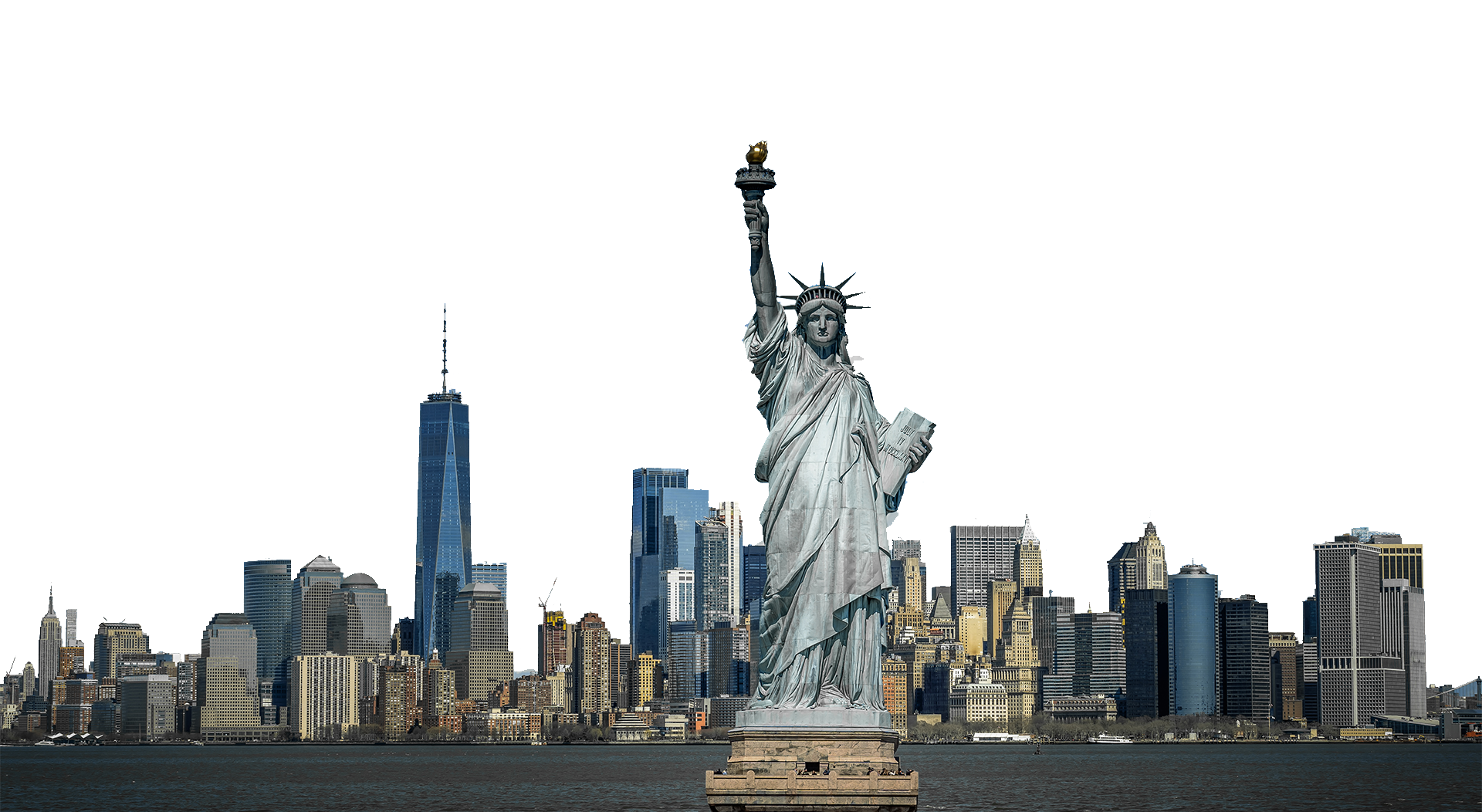
New York, known as “the city that never sleeps,” is a metropolis representing the economic, cultural, and social power of the United States. Founded in 1624 as New Amsterdam, it became New York in 1664 after being seized by the British, beginning a rapid transformation. By the late 19th century, industrialization and the opening of the Erie Canal reinforced its role as a global trade hub. Today, the city is a major cultural center, home to prestigious institutions like the Metropolitan Museum of Art, MoMA and the American Museum of Natural History. Broadway’s theater scene and artistic festivals highlight the city’s cultural vibrancy. With over 8.5 million residents and more than 200 languages spoken, New York is the most populous U.S. city, embodying a multicultural environment where communities from around the world converge. The city is also a major educational hub, hosting more than 500,000 students across 110 higher education institutions. Spanning about 789 km², New York benefits from a comprehensive transportation network, one of the largest in the world, including metro systems, buses, and ferries. The city represents a blend of history, diversity, and innovation.
General Economy
New York’s economy is driven by a combination of finance, technology, and real estate industries, making it one of the world’s most influential economic centers. As a financial capital, the city is home to iconic institutions such as the New York Stock Exchange and the NASDAQ, the two largest stock exchanges globally, as well as financial giants like JPMorgan Chase, Goldman Sachs, and Citigroup. These players contribute to New York’s role as a focal point for global investments and international financial operations. The city’s venture capital market is the second largest in the U.S. after Silicon Valley, with approximately $17 to $20 billion invested annually through major firms like Union Square Ventures or Insight Partners. New York’s real estate market is one of the most dynamic and expensive in the world, with flagship projects like Hudson Yards, valued at $25 billion, and One Vanderbilt, with an investment of $3.3 billion. The city attracts a high concentration of multinational tech companies, including Google, Amazon, and Meta. This synergy between financial, technological, and real estate sectors continues to position New York as a key center for investment and growth, supported by a highly skilled workforce and an innovation-driven culture.
Science and Innovation
New York is a hub of innovation, underpinned by a dynamic research ecosystem. The city hosts internationally renowned academic institutions such as Columbia University an Ivy League school known for engineering and environmental sciences, New York University (NYU), a leader in neuroscience, data science, and urban research, and The Rockefeller University, a world leader in biomedical research with multiple Nobel laureates. The city is also home to leading research centers like Mount Sinai Health System Albert Einstein College of Medicine, Weill Cornell Medical College, and Memorial Sloan Kettering Cancer Center. With over 300,000 STEM professionals (science, technology, engineering, and mathematics), New York excels in deep tech sectors like fintech, artificial intelligence, and cleantech. The city leads in biotechnology, with institutions like the New York Genome Center conducting advanced genetic research. Public and private initiatives support innovation across sectors, such as the NYC Tech Talent Pipeline, which trains professionals to meet the growing demand in technology.
Tech and Startups
New York boasts a dynamic and innovative entrepreneurial scene, often compared to Silicon Valley. The city is home to major accelerators like Techstars and MassChallenge. As a key center for tech startups, New York houses over 25,000 tech companies, with its startup ecosystem valued at over $694 billion in 2024 (Startup Genome). The ecosystem thrives on strong collaboration between investors, entrepreneurs, and academic institutions. The city stands out in fintech, benefitting from its proximity to Wall Street, with startups like Brex and Plaid. In 2023, over 1,600 startups raised 24% of U.S. funds in this subsector. Artificial intelligence and data science are rapidly growing, with companies like UiPath, Dataiku and Clarifai at the forefront. Health tech is another key area, supported by the city’s major medical institutions. The cleantech sector is also booming, with $664 million raised in 2023. This synergy continues to solidify New York’s position as a global leader in technological innovation and entrepreneurship.
Accompaniment and support
New York maintains its global leadership in innovation and tech investments with substantial support for its startups. Major events like the New York Digital Health Summit, bring together investors, entrepreneurs, and healthcare professionals to discuss the latest trends and opportunities. The city government has invested over $1 billion to support the growth of biotech startups. In 2023, the Biden administration designated New York to host two of the 31 national Tech Hubs, receiving significant federal funding: the NY SMART I-Corridor Tech Hub, focused on semiconductor manufacturing, and the New Energy New York Battery Tech Hub, dedicated to battery technology development. The startup ecosystem also benefits from public-private initiatives like the LifeSci NYC Initiative, which aims to attract biotech companies. New York’s institutions and U.S. government agencies invest heavily in innovation and startups, with targeted programs to support entrepreneurship. For instance, the NYC Economic Development Corporation invested over $250 million in 2022 to promote innovation in key sectors like fintech and biotech.
At the federal level, programs like the Small Business Innovation Research and Small Business Technology Transfer distributed over $3 billion to support startups in defense, technology, and energy. Additionally, national programs like the White House’s American Rescue Plan allocated $1 billion to support innovation in underserved communities. The Department of Energy invested over $500 million in clean technologies, while the National Science Foundation dedicated more than $200 million to commercializing emerging technologies. These efforts position New York as a leader in technological innovation and entrepreneurship.